
A practical and easy-to-follow Delhi itinerary for 1 to 4 days, covering top attractions, local food, markets, museums, and family-friendly spots, with tips to help you plan better and explore smarter, to help you make the most of your time in the capital.
Delhi. The city I’ve visited more times than I can count: for school breaks, for work, and thanks to a transferable job, I lived in and around it on and off for what feels like half my life. It’s practically my second home.
From childhood bus rides into the city, to that nerve-wracking first job interview, to being stuck in traffic while in a bridal lehenga (don’t ask), to complaining about it as every proper Delhiite does, it’s all part of the package.
It’s a city that never slows down. You’ll find ancient ruins sitting next to modern metro stations, five-star hotels a rickshaw ride away from crumbling havelis, malls that look straight out of Singapore, if you can survive the parking, and street vendors have better marketing skills than your average startup. You either love Delhi or… You pretend you don’t, but you still come back for the food.
Now, let’s get one thing out of the way: Delhi can be overwhelming. It’s loud, chaotic, dusty in patches, full of traffic that tests your patience and pollution that tests your lungs. Yet, it’s also packed with things that make it unforgettable.
The food (obviously), the intriguing history, the shopping (from high-end designer stores to street-side steals), and that strange, unbeatable mix of old-school charm and full-blown modern madness.
Sure, Old Delhi gets all the attention, and fair enough, it is iconic, but there’s a whole other side to this city that rarely gets enough credit: New Delhi, with its wide boulevards, leafy neighbourhoods, art-filled corners, quirky cafés, sprawling parks, and world-class museums. It’s the part of Delhi that feels lived-in, not just looked at. It deserves just as much of your time.
If it’s your first time here, welcome to the jungle. If you’re back again, well, you know the drill: carry water, don’t trust Google Maps blindly, don’t wear new white sneakers to Chandni Chowk, and avoid getting into a debate with a well-meaning Delhi elder.
This itinerary covers everything from the absolute must-visits to the lesser-known stuff I wish more people knew about, whether you have one day or four.
Read more: India itineraries for 1-4 weeks
Heads up: some links here are affiliate links. That means if you click and buy something, I may earn a teeny-weeny commission (think chai money, not a private jet) at no extra cost to you. It’s a small way to keep this blog running, the words flowing, and the pages free for you to enjoy. I only recommend things I truly love, use, or secretly wish I invented, because trust matters, and so do good recs. Thanks for supporting the little cozy corner of the internet I call my virtual home.
Delhi Basics: What You Should Know Before You Start Planning
Before we get into the where-to-go and what-to-eat bit, let’s get the essentials out of the way: when to visit, how many days are enough, what to expect on the ground, and how not to lose your mind in the middle of it all. This section clears the clutter and sets you up so your trip feels more manageable right from the start.
Oh, and if you’re a first-timer, I’ve got you covered with a detailed Delhi Travel Guide, something I keep updating so it actually stays helpful. It’s built from experience, not guesswork, and designed to save you from rookie mistakes (and unnecessary headaches).
When to Visit Delhi
Skip the peak summer at all costs. May to August in Delhi isn’t your regular hot; it’s full-blown meltdown mode, the kind of heat where even locals give up and hide indoors. If you’re traveling with kids or anyone who values functioning sweat glands, avoid this stretch.
The best time to visit is from late October to early March. The weather’s pleasant (especially in November and February), perfect for walking tours, park hopping, and avoiding your face being grilled in the sun. December and January are cooler, sometimes foggy, and can come with poor air quality, so keep an eye on the AQI and carry a basic mask if needed.
If you’re here around Diwali or Holi or whichever high-voltage Indian festival catches your fancy, the city goes all out: lights, colours, sounds, and chaos included. Plan well in advance, because prices and traffic both shoot up.
Pro tip: Aim for early-morning starts to beat crowds and the noon heat. Midday can be spent indoors, such as at museums or malls, or back at the hotel pool if visiting in hot weather.
How Many Days Do You Really Need in Delhi?
For most people, three days is the sweet spot. Enough to cover Old Delhi, New Delhi, and South Delhi without losing your mind. Day one can go to the chaos and charm of Old Delhi, day two to New Delhi’s landmarks and green patches, and day three to South Delhi’s mix of culture, cafes, and hidden corners.
Two days is still doable. You’ll need to be a bit choosy, but you can hit most of the big-ticket places, eat well, and even squeeze in some shopping.
In one day, you’ll barely scratch the surface, but with a well-planned route, you’ll get a good flavour, exploring the absolute highlights: a mix of Old Delhi’s heritage and a couple of New Delhi landmarks. Just keep the expectations real.
In four days or more, you can take your time, explore offbeat spots, wander into museums most people skip, and discover the city beyond what guidebooks and Instagram reels usually show.
So, how many days depends on how much you want to see, how much chaos you’re willing to handle, and how curious you are beyond the obvious. But 2 to 3 days is a solid start.
What to Wear and Pack for Delhi
If you’re here in winter (Nov to Feb), carry layers. Mornings and evenings can get surprisingly chilly, not freezing, but enough to need a jacket or two. Daytime sun feels nice, but don’t be fooled. If you’re coming around late December or January, a light woollen cap and scarf won’t hurt.
In summer (April to August), prepare to be mildly roasted. Lightweight, breathable cotton, linen, or bamboo clothing is your best friend. Carry sunscreen, sunglasses, and a cap, and hydrate as your life depends on it, because it does.
For monsoon (July to September), which is Delhi’s short-lived but dramatic rainy season, toss in an umbrella and quick-dry shoes. Puddles appear where you least expect them.
When it comes to footwear, you need comfortable walking shoes. You’ll walk more than you think, and no, those fancy sandals won’t survive Chandni Chowk. Temples, mosques, and gurudwaras require you to take off your shoes, so something easy to slip on and off helps.
Dress modestly, not because Delhi’s stuck in the past, but because it saves you unwanted stares, especially in more traditional areas. Shoulders and knees covered is a safe bet. A scarf or stole can be super handy; it works for sun, temples, or unexpected pollution spikes.
Other basics: mosquito repellent, hand sanitizer, tissues, and a small crossbody bag or backpack. Keep your stuff close, especially in crowded areas.
Where to Stay in Delhi
Delhi is massive, and where you stay can make or break your trip. Pick the wrong area, and you’ll spend half your time stuck in traffic or feeling disconnected from the sights. Pick the right one, and your days flow smoothly. For first-time visitors and families, these areas work best:
Central Delhi (Connaught Place, Mandi House, Janpath)
If it’s your first trip, this is the safest, most convenient base. You’re close to India Gate, Kartavya Path, Parliament House, museums, markets, and metro lines that connect easily to Old Delhi and South Delhi.
It’s walkable in parts, well-lit, and full of restaurants, cafés, and shops. Hotels here tend to be pricier, but the location saves time and energy, which matters in Delhi.
The Claridges, Hotel Palace Heights, The Imperial, Taj Mahal, Shangri-La Eros, Le Méridien, Maidens Hotel, and The Lalit are among the best-located and most reliable hotels in Central Delhi.
South Delhi (Lodhi Road, Greater Kailash, Defence Colony, Saket)
South Delhi is greener, calmer, and more residential. You’ll be closer to Humayun’s Tomb, Lodhi Garden, Qutub Minar, Lotus Temple, Dilli Haat, and many good cafés and markets.
It feels less hectic than central areas and works well if you like peaceful evenings after busy sightseeing days. Metro connectivity is decent, though you may rely more on cabs.
Serviced apartments in South Delhi are great. They give you space, kitchen access, and flexibility after long sightseeing days.
The Lodhi, ITC Maurya, The Surya, The Leela Palace, Taj Palace, Sheraton, Hotel Breezy Heights, Ambassador by IHCL SeleQtions, and The Oberoi are among South Delhi’s most dependable upscale hotels.
Aerocity (Near the Airport)
If you have a very short trip, late-night arrival, early departure, or want modern comforts without city chaos, Aerocity works well. It’s clean, organised, and full of international hotel chains and restaurants.
The Airport Metro Line connects Aerocity directly to New Delhi Railway Station and Connaught Place, making it surprisingly practical.
Roseate House, Pullman, and Andaz by Hyatt are all located in Aerocity, right next to Delhi Airport.
If you want a deeper breakdown, I’ve put together a complete, family-friendly guide to where to stay in Delhi, covering the best neighbourhoods, hotel picks by budget, and what actually works when traveling with kids or teens.
Where Not to Stay in Delhi
This part saves people a lot of regret.
Avoid Paharganj, even though it looks cheap and central online. It’s noisy, crowded, and overwhelming, especially for families. Cleanliness and safety can be inconsistent, and the chaos hits hard after a long day out.
Be cautious with Old Delhi stays. Chandni Chowk is fantastic to visit, but staying there is only enjoyable if you already know the city well and are prepared for constant noise and congestion.
Hotels far out in Noida or outer Gurgaon may look great on price, but the daily commute into Delhi will eat up hours. Unless your trip is business-focused, these areas aren’t worth the trade-off.
Note: While I don’t recommend Old Delhi stays, Haveli Dharampura, a beautifully restored heritage property tucked just off the main lanes of Chandni Chowk, is a rare exception worth considering if you do want that historic experience without sacrificing comfort and luxury.
Staying Safe and Sane in Delhi
Delhi can be a lot, in every sense. It’s safe enough if you’re alert, but like any big city, it comes with its quirks. Here’s what helps:
Keep your bag zipped and your phone in your front pocket in crowded markets. Petty theft isn’t common, but it’s not unheard of either. Don’t flash wads of cash or leave stuff lying around while posing for that perfect Insta shot.
When crossing roads, don’t wait for traffic to stop. It usually won’t. Just follow the locals, confidently but carefully. Weirdly, eye contact with oncoming vehicles works here.
For women travelers, Delhi has a reputation, and while most of it comes from media overdrive, staying cautious is smart. Avoid isolated areas after dark, stick to crowded places, and use the women’s coach in the Metro when possible. Uber and Ola are safe and trackable.
Scams exist. Ignore anyone who tells you a monument is closed (usually it’s not) or tries to redirect you to their “uncle’s” shop. If someone’s being too helpful out of nowhere, your inner red flag is probably right.
Lastly, don’t over-plan your day. Leave room for delays, detours, or breaks. Delhi has a way of throwing surprises, some fun, some annoying. Either way, keeping it flexible makes the whole experience way easier.
Getting to Delhi

Delhi’s well-connected. No matter where you’re coming from, it’s probably the easiest city in India to get to.
By air, you’ll land at Indira Gandhi International Airport (DEL), one of the busiest airports in the country, and surprisingly efficient most of the time. It has three terminals (T1, T2, T3), and unless you’re flying a low-cost domestic airline, you’ll likely be at T3.
Cabs, airport metro, and prepaid taxis are readily available; skip the random guys offering rides near the exit. Stick to official counters or use Uber/Ola from the arrival pickup zone.
By train, you’ve got multiple station options: New Delhi Railway Station (NDLS), Hazrat Nizamuddin (NZM), and Anand Vihar (ANVT) are the main ones for long-distance trains.
NDLS connects to the Metro (Yellow Line), helping avoid the heavy traffic outside the station. Hold on to your bags tight at big stations, as they’re busy, noisy, and full of confusion, especially if you’re new to Indian trains.
By road, Delhi is linked to nearby cities such as Agra, Jaipur, and Chandigarh via expressways and highways. Buses (both government and private) run daily, and cabs or self-drive options work fine if you don’t mind navigating the traffic.
Avoid driving yourself if it’s your first time here; Delhi roads don’t believe in logic or lane discipline.
Once you’re in, the absolute chaos begins, but don’t worry, we’ve already covered how to get around.
Getting from the Airport, Train Station, or Bus Stand
From the Airport (IGI): The easiest option is to book an Uber or Ola right from the arrivals zone. Follow the signs to the app cab pickup area; no need to talk to anyone or haggle. If you prefer old-school, head to the prepaid taxi counter inside the terminal. Prices are fixed, no negotiations involved.
If you want to avoid traffic, take the Airport Express Metro from Terminal 3. It’s quick, clean, and connects you to the New Delhi Metro Station in about 20 minutes. From there, you can hop onto other Metro lines or grab a cab, depending on where you’re staying.
From Railway Stations: If you’re arriving at New Delhi Station (NDLS) or Hazrat Nizamuddin, you’ll find auto rickshaws, taxis, and app-based cabs. Just ignore the “sir or ma’am taxi?” crowd and walk straight to the designated pickup zones. NDLS also connects to the Yellow Line of the Metro, so if you don’t have too much luggage, that’s an easy way out.
From Bus Terminals: Places like Kashmiri Gate ISBT, Anand Vihar, or Sarai Kale Khan can feel a bit hectic, especially during peak hours. App cabs usually work here too, but wait times can vary. Autos are all over the place, but again, fix the fare before you sit. Or, if you’re near a Metro station, roll your suitcase over and ride stress-free.
Pro tip: If you’re arriving late at night or with kids, book a cab through a reliable app. Saves you the drama, especially if you’ve just landed after a long journey and don’t want your first memory of Delhi to be a price argument.
Getting Around Delhi


Delhi is huge. Like really huge. You can’t walk from one end of Delhi to the other, the city’s too spread out for that.
In certain areas, like Old Delhi, walking is actually the best (and sometimes the only) way to explore. Places like Chandni Chowk, Jama Masjid, and the spice market are all packed into a few chaotic lanes, best seen on foot or by cycle rickshaw. The same goes for areas like Lodhi Art District or Connaught Place, compact enough to walk around and soak in the vibe.
For everything else, though, monuments in different parts of the city, museum hops, or jumping from North to South Delhi, you’ll need to use the Metro, a cab, or an auto, especially if you’re with kids and teens who act as if long walks personally attack them.
The Delhi Metro is fast, affordable, air-conditioned, and pretty straightforward. It connects most touristy areas and helps you avoid endless traffic jams. Plus, it’s super clean and safe, and there’s a separate coach for women if you’re traveling solo or with kids.
For places the Metro doesn’t reach directly, use Uber or Ola, both work well here. They’re way better than haggling with random auto drivers who think every tourist came with a separate budget for overcharging.
That said, if you want to try a classic Indian auto-rickshaw (aka tuk-tuk), go for it, but fix the price before you hop in, or you’re in for a very creative fare breakdown at the end. It’s bumpy, breezy, and definitely an experience, especially if it’s your first time.
In Old Delhi, you’ll also see cycle rickshaws and the occasional hand-pulled rickshaw. The hand-pulled ones are still around in some pockets, mainly as a means for the pullers to earn a living. Personally, I don’t sit in them as I can’t bring myself to do it. But if I feel like helping, I sometimes ask them to ride along while I walk and pay them anyway. It’s a small gesture, not a solution, and you’ll have to decide what feels right for you.
If you want something in between, e-rickshaws are perfect for short distances. They’re electric, open, and feel like mini rollercoasters through tiny lanes. Again, confirm the fare upfront unless you’re in the mood to hear numbers that make zero sense.
If you’re visiting with family or a group, you can consider booking a private cab for the day. It’s not as expensive as you might think, and it saves you the hassle of figuring out directions, parking, and sudden U-turns on roads that look like four lanes but behave like eight: it happens in India.
Delhi also operates a Hop-On Hop-Off tourist bus that covers major landmarks, offering a stress-free way for families to sightsee.
Money, SIM Cards, and Staying Connected

First things first: you won’t need a wallet full of cash here — Delhi runs on digital. Even autos, sabjiwalas, chai stalls, fruit and vegetable vendors, and the guy charging ₹10 for parking now have QR codes. UPI (Unified Payments Interface) is everywhere, and locals use it for literally everything.
If you’re a foreign tourist, you can use UPI now, thanks to a system rolled out for short-term visitors from countries like the US, UK, Australia, Singapore, and others. Get yourself an Indian SIM, visit a partner bank like ICICI or SBI, and ask for a tourist UPI wallet. It’s linked to your foreign debit card, works through apps like PhonePe or Paytm, and you’re good to go, no need to hoard rupee notes for the small stuff.
There’s a daily transaction cap (₹2,000 per transaction, ₹10,000 in total), but that’s enough for most day-to-day spending. And yes, ATMs are still around if you need cash, though they’re known to run dry at random. So don’t wait till your balance hits ₹30 to start hunting for one.
Do currency exchange at the airport or at authorised forex outlets. Avoid the shady backlane setups promising “best rate, sir.” Or better, use an international card to withdraw directly from an ATM once you arrive.
SIM cards are easy to get. Go to an official Airtel, Jio, or Vi (Vodafone Idea) store, carry your passport and a passport-size photo. Avoid random kiosks at the airport unless you’re in a hurry; they charge more and don’t always activate the SIM right away. Most prepaid tourist SIMs come with data and local calling, totally worth it if you’re staying more than a couple of days.
As for connectivity, hotels usually have Wi-Fi, cafés mostly do, and public Wi-Fi is hit-or-miss. Still having mobile data is way more reliable, especially when you’re out navigating with Google Maps, translating menus, or trying to find a loo near India Gate.
Quick Note Before You Start: Delhi is huge, distances are real, and traffic has a mind of its own. This itinerary is intentionally generous. You won’t realistically hit every stop listed in a single day, and that’s okay. This itinerary is designed to give you choices, not pressure, so you’re not stuck Googling alternatives mid-trip when plans change, traffic hits, or energy drops. Some places are worth stepping into, others are just as enjoyable to see from the outside or while passing by. Mix and match based on location, weather, pace, and how everyone’s feeling, especially if you’re traveling with family.
Delhi Itinerary for 1 to 4 Days: What to See, Do, Eat, Shop, and Where to Stay
No two days in Delhi feel the same, and that’s precisely why no amount of planning helps here. But then again, Delhi’s also not the kind of place you just wing without a bit of prep.
That’s where this itinerary helps. It’s built on what I’ve learned after years of visiting, living, working, and basically navigating Delhi in every mood, season, and phase of life.
I’ve tried to include the stuff that actually matters: what’s worth your time, what you can skip, where to eat without overthinking, and how to break up the chaos with moments that give you some breathing space.
It’s made with first-timers and families in mind, but it works just as well if you’re back for round two.
Pro tip: Delhi is vast, and its attractions are spread out, so don’t overpack your schedule. Especially with young children, plan for one or two main activities per day and include downtime for rest, snacks, or play. A slower pace keeps everyone happy and allows you to absorb the experience.
Day 1: The Classics of Old Delhi & New Delhi
Your first day covers the essential highlights of Delhi: the historic monuments of Old Delhi in the morning, followed by iconic New Delhi landmarks in the afternoon. It’s a full day of sightseeing, so wear comfortable shoes and be prepared for crowds in Old Delhi. For families with young children, I recommend hiring a guide or driver for the day to simplify logistics.
Morning
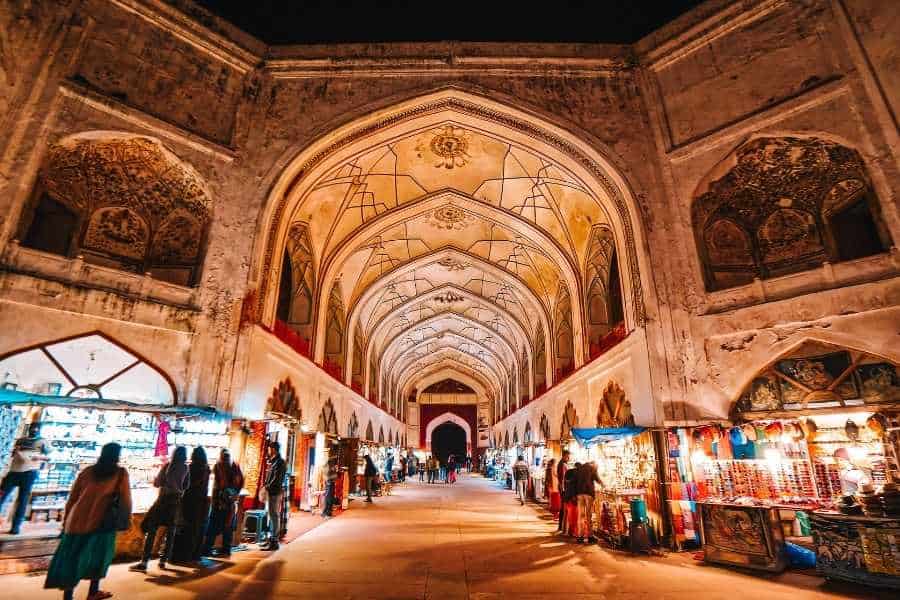
Start in Old Delhi, the 17th-century walled city of Shahjahanabad, which is intense but unmissable. Begin early at the Red Fort (Lal Qila), opening at 9:30 AM. This massive red sandstone fort was the residence of Mughal emperors and is a UNESCO World Heritage site. Its imposing walls and gates are iconic. It’s a delight to wander the complex’s gardens and pavilions.
Right across from the Red Fort is the Shri Digambar Jain Lal Mandir, Delhi’s oldest Jain temple, with its striking red sandstone exterior.
Behind the temple, there’s also a unique Bird Hospital run by the Jain community, a compassionate little place where injured birds are treated. It’s a short, thoughtful stop to see how spirituality and service work hand in hand.


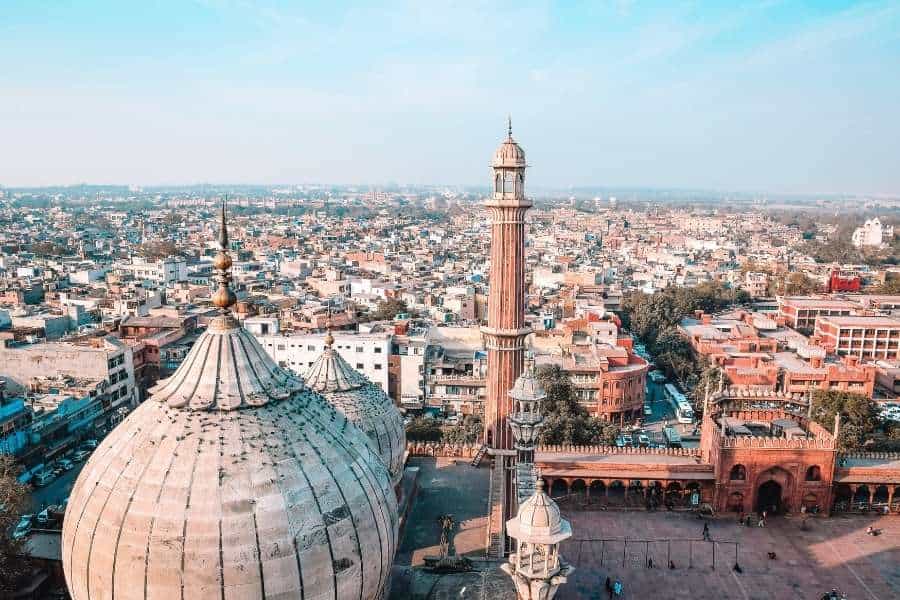
Next, walk (15 minutes) or take a cycle-rickshaw to Jama Masjid, India’s largest historic mosque. Jama Masjid can hold 25,000 people and has an expansive courtyard. Climb the southern minaret for a small fee to enjoy a panoramic view over the Old City’s rooftops. It’s a bit of a steep, narrow climb, but the vantage point is worth it.
Dress modestly (cover knees and shoulders); the mosque provides robes for a fee if needed, and you’ll remove shoes. Keep an eye out for scams, but don’t be deterred; the experience is incredible.
After Jama Masjid, you’re right in the heart of Chandni Chowk, Old Delhi’s main bazaar street. Brace yourself: “You’ve never been anywhere like Chandni Chowk… The chaos! The traffic! The confusion! The smells! The sounds!”
While here, you can visit Gurudwara Sis Ganj Sahib (a prominent Sikh temple) or Mirza Ghalib Ki Haveli (historic poet Ghalib’s house) if you’re curious about cultural sights.
This bustling market is a sensory overload, precisely what makes Delhi memorable. Stroll (or rather, carefully weave) through lanes dedicated to spices, jewelry, textiles, and street foods.
A must-see is the Khari Baoli Spice Market, Asia’s largest, where towering sacks of chili, turmeric, and herbs create a colorful scene (sniffing the air here is an experience!).

Take a food-focused stroll through the lanes of Chandni Chowk or Kinari Bazaar.
For a sweet break, pop into the century-old Jalebiwala shop (Old Famous Jalebi Wala), at the corner of Chandni Chowk and Dariba Kalan, for hot, syrupy jalebis straight from the kadhai.
Or try a classic stuffed paratha (fried flatbread stuffed with fillings) at Paranthe Wali Gali, with stalwarts like Pt. Kanhaiya Lal Durga Prashad Dixit Paranthe Wale or Babu Ram Paranthe Wale drawing steady crowds.
If you’re adventurous about street food, Chandni Chowk is the place to try delicacies like golgappas (crispy, filled puri snacks), kachoris at Jung Bahadur, bedmi puri with spicy potato curry or nagori poori halwa at Shiv Misthan Bhandar, chole bhature at Gole Hatti, dahi bhalle (deep-fried ground lentil balls served with curd) at Padam Chaat Corner, kulfi falooda (Indian ice cream with vermicelli) at Kuremal Mohan Lal Kulfi Wale, rabri aka khurchan, gulab jamun at Kanwarji Bhagirath Mal, and lassi at Amritsari Lassi Wala.
Local Tip: Oh, and before you leave Old Delhi, don’t forget to pack something for later. Chaina Ram Sindhi Halwai is famous for its Karachi Halwa: rich, nutty, and perfect for carrying back home. It travels well and makes for a solid Delhi souvenir, especially if you have a sweet tooth waiting at home.
Most of the places mentioned here are well-known or legendary and therefore busy, which actually works in your favour when it comes to freshness and turnover. Still, always choose a stall with a steady crowd and visible food preparation.
Better yet, consider joining a guided Old Delhi food walk, where a local expert will take you to the best stalls so you can sample treats like golgappas, pav bhaji, gulab jamun, and jalebi safely.
Many tours use a mix of walking and rickshaw to cover more ground. This way, you’ll dive into the food culture without worrying about “Delhi belly.”
You also have an option to join the Old Delhi Heritage Walk to explore Old Delhi’s backstreets. Many guided walks start early, around 7 AM, when the lanes are quieter. A guide can lead you through the hidden alleys of Chandni Chowk, visiting centuries-old shrines, bustling bazaars as they come to life, and even traditional havelis (mansions) tucked behind unassuming doors.
If you’re anything like me and have a soft spot for old doors, Old Delhi will feel like a quiet obsession waiting to happen. Around areas like Dariba Kalan, Ballimaran, Gali Qasim Jaan, and the lesser-walked lanes branching off Chandni Chowk, you’ll spot ancient wooden doors painted in faded blues, greens, and reds, some carved, some chipped, all carrying stories of families and trades that have lived here for generations.
Make sure you slip into Naughara Gali (Nine Houses Lane) near Kinari Bazaar too, where restored havelis and vividly painted doors sit behind an almost-hidden entrance, offering one of Old Delhi’s most unexpectedly beautiful pauses.
If your family needs a respite from the bustle, take a short rickshaw or taxi ride (10 minutes east of Red Fort) to Raj Ghat, a simple but moving memorial to Mahatma Gandhi. It’s a black marble platform marking the spot where Gandhi was cremated, set in a peaceful park. The atmosphere is calm and respectful, with an eternal flame burning.
Note: This stop is optional if you’re managing time, but it does provide a balance to the sensory overload of Chandni Chowk.
Afternoon


For lunch, Old Delhi has legendary eateries (mentioned above). Though with kids, you might prefer a clean, sit-down restaurant; there are a few in Chandni Chowk, or consider heading to Connaught Place for a variety of family-friendly restaurants, such as Saravana Bhavan, Haldiram’s, United Coffee House, Wenger’s Deli, Bikanervala, and Zaffran.
After lunch, head to the New Delhi district. Drive or take the metro/taxi to India Gate, the monumental war memorial arch in the heart of the city.
India Gate resembles the Arc de Triomphe and honors 70,000 Indian soldiers of WWI. It’s a popular spot for locals, too. Expect crowds of tourists and school children on trips, vendors selling ice cream, and families picnicking on the lawns.
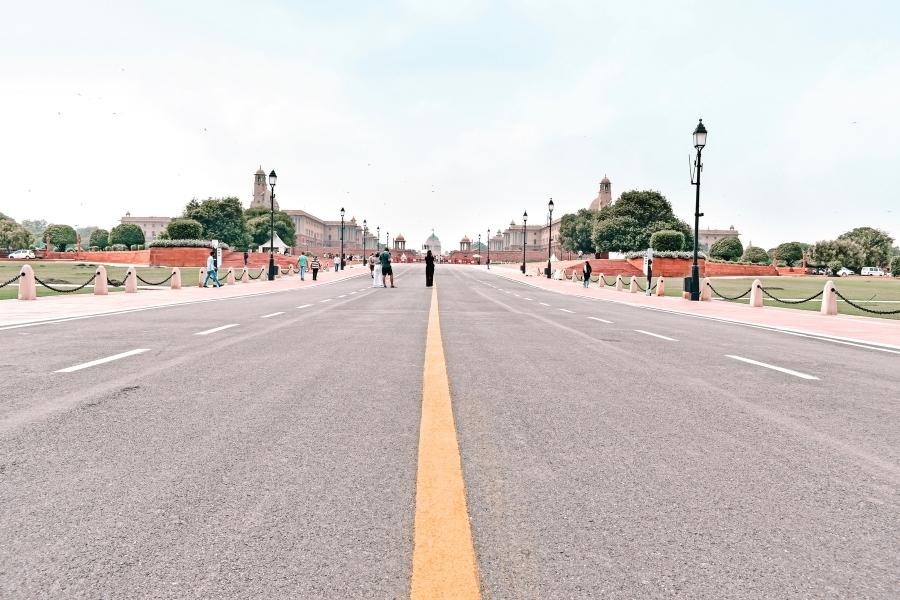
Stroll along the Kartavya Path (formerly Rajpath), the ceremonial boulevard from India Gate toward Rashtrapati Bhavan (the President’s House). This walk (about 2 km) is lined with gardens and fountains.
If you’re visiting in spring, check if the annual Udyan Utsav is on. Rashtrapati Bhavan opens its iconic Mughal Gardens to the public for a few weeks. Tulips, dahlias, roses, and seasonal blooms carpet the gardens, and it’s genuinely one of the prettiest spots in Delhi during that time. Entry is free, but registration is needed, and it’s best to go early before it gets too crowded.


Kids can run around, and you get a great view of the grand government buildings of Lutyens’ Delhi. You’ll see the Parliament House and North/South Block Secretariat Buildings in the distance, showcasing British colonial architecture.
This part of Delhi also shows how the city is changing. The revamped Central Vista, stretching from Rashtrapati Bhavan to India Gate, reflects a more modern capital with redesigned public spaces and government buildings.
Nearby, places like Bharat Mandapam at Pragati Maidan and Yashobhoomi in Dwarka highlight Delhi’s new-age side. Bharat Mandapam has hosted major G20 meetings and large cultural exhibitions, while Yashobhoomi is now India’s largest convention and expo centre. These aren’t traditional sightseeing stops, but they add important context to Delhi’s growing role as a global host city, not just a historic one.
If it’s too hot to walk, you can also drive down Rajpath. Either way, this area gives a feel of New Delhi’s spacious design and makes for great photos with the India Gate in the backdrop.
If you’re in the mood for a couple of short, interesting detours nearby, stop at Jantar Mantar, a quirky 18th-century astronomical observatory tucked between modern buildings. You’ll spot giant brick-red instruments that look like weird public art but were once used to track the stars. It’s a quick stop and a fun one if you or your teens are into space, science, or anything vaguely odd-looking.
A few minutes away, down a lane near Connaught Place, lies Agrasen ki Baoli, a 14th-century stepwell that feels like stepping into another time and maybe a film set; this one’s Bollywood-famous. It is said to be one of the city’s most haunted spots, don’t worry, it’s perfectly safe by day! The symmetrical stone steps make for great echoes and photo ops.


Next, visit Humayun’s Tomb, located in South Delhi (approx. 15–20 minutes drive from India Gate). This 16th-century Mughal mausoleum is often cited as a precursor to the Taj Mahal, a grand tomb set in a charbagh garden.
The domed tomb and its symmetrical gardens are UNESCO-listed and truly photogenic. Adults will appreciate the history and architecture, and kids can play on the lawns and chase the squirrels among the pathways. There are plenty of chipmunks/squirrels on the Delhi monument grounds; little ones love spotting them!
Family tip: There are a few steps and uneven surfaces, so strollers might need to be lifted at times, but overall it’s an easy site to explore with children. The complex is spacious and far less crowded than Old Delhi, offering a nice breather.


If you have extra time and interest, just next door is Sunder Nursery, a beautifully landscaped park with flowerbeds and historical tombs that make for a pleasant walk.
Just a 5-minute drive from Humayun’s Tomb is another gem: Safdarjung’s Tomb. Often called the “last flicker of Mughal architecture,” this 18th-century tomb is smaller than Humayun’s but has a similar style, with a central dome and gardens, and attracts only a fraction of the crowds.
It’s a photogenic spot, and you might have it nearly to yourself, which can be a relief after busy tourist sites. You only need about 30 minutes here, but it’s worth a stop for the tranquil atmosphere and lovely architecture.
Evening


Wrap up Day one with an evening visit to Swaminarayan Akshardham Temple, a modern Hindu temple complex that is nothing short of spectacular. Located a bit east of the city center (a 15-minute drive from Humayun’s Tomb), Akshardham is one of the world’s largest Hindu temples and feels like a small spiritual theme park.
The main temple is an astounding marble-and-sandstone creation intricately carved with deities, elephants, and lotus flowers. Note that cameras and phones are strictly prohibited inside; you’ll go through airport-level security and must store electronics in lockers.
While that means you can’t take photos, it also allows you to be fully present. Wander the temple interior to marvel at its breathtaking domed ceiling and sculptures.
For families, the highlight at Akshardham is the evening musical fountain show (usually around sunset). This sound, light & water show uses colored lasers, water jets, fire, and projections to tell a Hindu story.
Kids absolutely love the dazzling lights and music! It’s a great way to end the day on a magical note. There are also exhibition halls and boat rides on-site if you arrive earlier, but you can skip them if you’re short on time. Plan to spend about 2–3 hours at Akshardham.
Travel tip: Since you’ll likely be tired after, consider having dinner at the food court here (pure veg) or at your hotel.
If you skipped Akshardham, another great evening option is to catch the Sound and Light Show at Red Fort or Purana Qila (Old Fort). These shows, held after sunset, use lighting and narration to tell the story of Delhi, an educational spectacle under the stars.
It’s a long day, but you’ve seen the must-do sights. If you only have 24 hours in Delhi, these are the highlights we recommend covering. Or, you can pick and choose highlights from Day 1 and Day 2 to build your own version of a one-day Delhi itinerary that suits your pace and interests.
Pro tip: Always check the weekly closing day (Monday is when many monuments and museums are shut) for each site and plan accordingly so you’re not disappointed.
Day 2: Central and South Delhi Classics
With the major highlights done, Day two lets you explore South Delhi’s cultural and historical sites. South Delhi is a posh area known for its lush neighborhoods and ancient monuments.
Morning


Start Day two at Qutub Minar in Mehrauli, South Delhi. Aim to arrive close to opening time (around sunrise) to avoid crowds. Qutub Minar is a towering 73-meter-high minaret from the 12th century, the tallest brick minaret in the world, and another UNESCO World Heritage site.
Its ornate red sandstone tower and the surrounding ruins make it one of the most fascinating historical sites in Delhi. It’s about 800 years old! The complex includes the first mosque in India (Quwwat-ul-Islam) and the famous Iron Pillar, which mysteriously never rusts.
If you have curious youngsters who love adventure stories or Indiana Jones-style settings, they’ll enjoy exploring the scattered tombs and arches here.
In fact, adjacent to the Qutub Minar is the sprawling Mehrauli Archaeological Park, full of lesser-known tombs, stepwells, and ruins, all entwined with greenery. It’s free entry and usually empty. If your family enjoys walking, you can spend an extra hour on a short hike through the park’s monuments (Jahaz Mahal, Rajon Ki Baoli stepwell, etc.). Otherwise, a quick look at the highlights of Qutub Minar will suffice.
If you’re interested in Delhi’s temple culture beyond the usual tourist stops, Chhatarpur Temple (also known as Katyayani Shakti Peeth) is worth a visit. Located in South Delhi near Mehrauli, this vast temple complex dedicated to Goddess Katyayani is one of the largest in the city.
Or after Qutub, take a taxi or Uber to the Lotus Temple (Bahá’í House of Worship), approximately a 30-40 minute drive from Qutub, depending on traffic. This stunning white marble temple, shaped like a giant lotus flower, is set amid pools and gardens. It welcomes people of all faiths to meditate and pray. It’s one of only seven Bahá’í temples in the world and the only one in Asia, making it a unique stop. Plan about 45 minutes here (longer if you want to sit longer).
The design often reminds visitors of the Sydney Opera House with its curving, petal-like forms. Inside the temple’s prayer hall, everyone is asked to maintain silence, even fidgety kids might fall quiet, sensing the peace. It’s an excellent spot for a short meditation or for resting your feet.

By midday, you might be ready for lunch and a break from monument-hopping. Head to Dilli Haat. There’s a location at INA, not far from the Lotus Temple, about a 20-minute drive. Dilli Haat is an open-air handicrafts and food bazaar that is perfect for families. Unlike chaotic street markets, Dilli Haat is ticketed and orderly, and a small entry fee keeps it less crowded and cleaner.
Stalls from all over India sell hand-crafted souvenirs: you’ll find Kashmir carpets, Rajasthani puppets, Madhubani paintings, shawls, jewelry, and more. It’s fun to browse even if you don’t plan to buy much.
Even the kids might enjoy picking out a trinket or watching artisans at work. Equally enticing is the food court, where different state pavilions offer regional cuisines. You can sample momos from Tibet, bamboo stew from Nagaland, dosa from South India, etc.
This is an excellent spot for lunch; the state tourism department runs each stall, so hygiene is generally good, and you get to try a variety of dishes in one place. The open layout means kids aren’t cooped up; they can move around relatively freely. Expect to spend 1–2 hours here with lunch and shopping.
Afternoon


After lunch, tailor the afternoon to your family’s interests:
Option A: If you have children or teens who love museums or trains, consider visiting the National Rail Museum in Chanakyapuri. This museum showcases India’s railway heritage with real engines and coaches on display. The highlight is a toy train ride around the premises, always a hit with kids. There are interactive exhibits and even a diesel simulator.
Another unique option (especially for younger kids or doll enthusiasts) is Shankar’s International Dolls Museum, which has a collection of 6,000 dolls from 85 countries. It’s quirky and fun for a brief visit.
PS: Nearby, you could also explore Feroz Shah Kotla, the ruins of a 14th-century fort where you’ll find an old pyramid-shaped structure and a 2,200-year-old Ashokan pillar standing proud.
These two museums are across town from each other, so realistically, pick one. The Rail Museum is outdoors primarily and better for active kids; the Dolls Museum (near ITO) is indoors and air-conditioned. Either choice can be combined with a quick stop at India Gate again if you missed it or want to let kids play in the Children’s Park there. Both museums typically close by 5 PM, so plan accordingly.


Option B: If your family prefers outdoors and relaxation, head to Lodhi Garden in central Delhi. This large city park is a local favorite where history and leisure meet. Scattered across the lush gardens are 15th-century tombs and structures, essentially making it a beautiful heritage park.
Come here to let the kids run and play on the lawns while you soak in some history casually. You’ll see families playing cricket, people jogging, and picnickers under trees. In the late afternoon, the light is gorgeous for photography: imagine ancient domed tombs silhouetted by the setting sun.
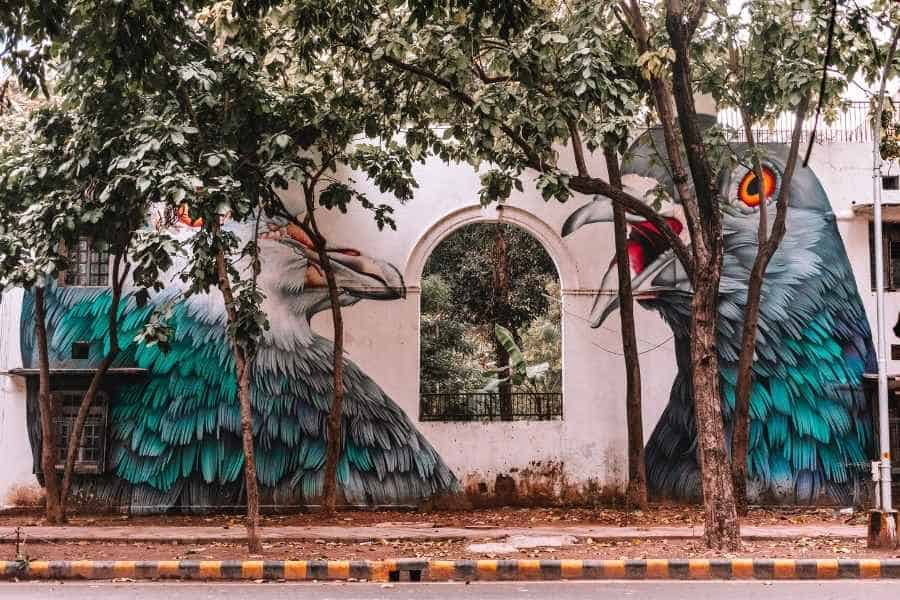
After enjoying Lodhi Garden, you can also walk or take a short tuk-tuk ride to the nearby Lodhi Art District (around Lodhi Colony). This area’s walls are covered with vibrant street murals, a fun discovery for kids who can pick their favorite murals to pose in front of. It feels like an open-air art gallery and shows a modern, creative side of Delhi. This walk can take 30–40 minutes.
With plenty of cafés, bakeries, and restaurants, there’s an excellent café culture in this area. It’s a good spot to grab quick snacks and tea or coffee and maybe do a little shopping for books, clothes, or souvenirs. You could stop at the famous Indian Coffee House or have ice cream at Natural’s in Khan Market, a posh shopping street not far away.
Evening

End day two with a dose of culture and spirituality at the serene Gurudwara Bangla Sahib, near Connaught Place. This is Delhi’s most prominent Sikh temple, easily recognized by its glistening golden dome and expansive sacred pond.
The Gurudwara is open late into the evening and is very welcoming to visitors. Cover your head (scarves available free at the entrance) and remove your shoes to enter.
Inside, you can listen to soulful Sikh hymns being sung, a calming experience even for restless kids. A highlight here is the langar (community kitchen), where volunteers cook and serve free vegetarian meals to all visitors, regardless of religion or background.
Sitting on the floor among hundreds of others, eating a simple meal of dal and roti, is a humbling, memorable experience. Visitors are welcome to join or even volunteer briefly, an excellent opportunity for kids to learn about sharing and service.
Don’t leave without walking a lap around the holy pond (try to spot the koi fish in the water!). After two days of Delhi’s hustle, the Gurudwara’s atmosphere might feel especially soothing.
By now, you’ve covered most of Delhi’s headline attractions. Oh, and you’ve also completed what I like to call the UNESCO hat-trick: Delhi’s trio of World Heritage sites: Red Fort, Humayun’s Tomb, and Qutub Minar. You’ve earned your bragging rights, hmm!
If you’re leaving after two days, you’ve checked off the essentials. But if you have more time, Delhi has even more to offer. Read on!
Day 3: Localish Delights & Detours
Feeling monumented out by now? Totally fair. Day 3 will give you a break from typical sightseeing. Delhi offers many wonderful experiential activities families can enjoy together.
Morning
Cook. Roll. Eat. Start your day with something warm and delicious, literally. Join a local Indian cooking class, where a home chef welcomes you into their kitchen and shows you how to make samosas, curry, dal, or whatever’s on the menu that day. You’ll chop, stir, taste, and laugh your way through the process, and end up sharing a meal. These classes are family-friendly, and even younger kids enjoy rolling out chapatis or trying their hand at a spice mix. It’s a fun way to understand Indian culture, through its best-loved language: food.
Later, indulge in India’s vibrant pop culture by watching a Bollywood movie in a deluxe theater. Head to the PVR Director’s Cut cinema in South Delhi, a luxury movie theater with recliner seats, blankets, and waiters who bring food to your seat.
Other solid options include PVR Gold at Select Citywalk or Ambience Mall, which offers plush seating and a quieter, more comfortable experience than regular screens.
If you’re closer to central Delhi, INOX Insignia at Nehru Place or Chanakya Mall is another good pick, known for its spacious seats and polished vibe. For something slightly retro or vintage but charming, Delite Cinema near Asaf Ali Road is a heritage single-screen that still draws crowds for big Hindi releases.
Even if you can’t follow the Hindi dialogue (many films have English subtitles too), the extravagance of a Bollywood film and the comfort of the theater is a fun experience. This can be a relaxing afternoon treat for the whole family.
Alternatively, you can soak up a trendy local scene by heading to Champa Gali in Saket, a hidden lane transformed into a bohemian hangout with art studios, indie coffee shops, and boutiques.
It’s one of those “Delhi secrets” where youth gather. Sip an artisan coffee while the kids enjoy a brownie; the rustic décor (think fairy lights and upcycled furniture) is delightful. It’s a short and sweet stop, perhaps combined with a visit to the Garden of Five Senses, a landscaped park nearby with sculptures and flower gardens.
Afternoon

In the afternoon, explore the trendy yet historical area of Hauz Khas Village (HKV) in South Delhi. Hauz Khas is a fascinating blend of medieval ruins and hip modern culture. Start by visiting the Hauz Khas ruins and the adjacent Deer Park.
The Hauz Khas complex contains a 14th-century madrasa (Islamic seminary), tombs, and pavilions set around a picturesque lake. Kids can freely run among the ruins and even spot deer and peacocks in the Deer Park (there’s a small enclosure with deer, hence the name).
It’s a favorite spot for local families and picnickers. The scenery is charming in the late afternoon with the sun over the lake. After wandering the park, step into Hauz Khas Village proper, a maze of narrow lanes now filled with quirky boutiques, art galleries, and cafés.
Teens will love the graffiti and street art, and you’ll enjoy browsing handicraft stores or getting a cup of coffee. If your kids (or you!) need a sugar boost, stop by a gelato shop or cupcake bakery here. HKV has a very youthful vibe and is safe to walk around. It’s an enjoyable way to see modern Delhi life in a historic setting.
Evening

In the evening, head to Connaught Place (CP) in New Delhi, the city’s central business and shopping district. CP is a circular market dating back to colonial times, now full of shops, eateries, and bookstores.
It’s a good place to pick up any last-minute souvenirs (there are government handicraft emporiums, like the Central Cottage Industries Emporium, nearby for authentic crafts). Kids might enjoy a quick visit to the Regal Building, which often hosts toy shops or the famous Wenger’s bakery for pastries.

On your way, you can stop by Gole Market, a charmingly old-school roundabout of shops and snacks, and attend the evening aarti at Shri Laxmi Narayan Temple (Birla Mandir) nearby. The temple’s peaceful vibe, intricate carvings, and garden courtyard offer a calm, spiritual pause.
While you’re in the CP area, you can also peek into the ancient Hanuman Temple tucked near Baba Kharak Singh Marg, one of the city’s oldest and most loved shrines, known for its round-the-clock chanting and crowds of devotees.
For dinner, CP offers everything from Indian restaurants to fast food. A highly recommended family-friendly restaurant is Saravana Bhavan for delicious South Indian dosas (crispy, savory crêpes) and idlis.
Or, if you want a grand dinner, you could dine at Parikrama, a revolving restaurant with a panoramic view of Delhi’s skyline.
After dinner, treat yourselves to Delhi’s famous Kulfi (traditional ice cream) or a piping hot cup of masala chai. Strolling in the inner circle of Connaught Place under the colonnades at night is a pleasant experience; often, you’ll see street musicians or people enjoying the evening. It’s a nice, safe area to wander after dark (with the usual city caution).
Today was about soaking in Delhi’s atmosphere beyond the typical tourist circuit. By now, Delhi’s initial chaos might have transformed into a fond familiarity.
Day 4: Beyond the Classics or Basics
If you have a 4th day in Delhi, lucky you – it lets you cover more offbeat attractions or take it easy before you move on. You have two options:
Option A: For History, Art, & Cultural Enthusiasts: Explore Lesser-known Historical & Cultural Sites

You can start your day by exploring the ruins of Tughlaqabad Fort in South Delhi. It’s a 14th-century stone fort spread over a large area, now mostly crumbling walls and wild grasses, but very atmospheric. There are hardly any tourists here, so kids can play knights or adventurers, climbing bastions and looking for hidden tunnels. Just be cautious on the uneven terrain and avoid the mid-day heat here. Tughlaqabad offers a glimpse into the oldest of Delhi’s “Seven Cities” and is a photographer’s dream at sunrise or sunset.
For a deeper understanding of Indian culture, you can visit the National Museum (Janpath), which houses artifacts spanning 5,000 years of history, from the Indus Valley civilization to medieval treasures. There are some interactive exhibits and an impressive collection of Indian miniature paintings and arms & armor, which usually intrigues kids.
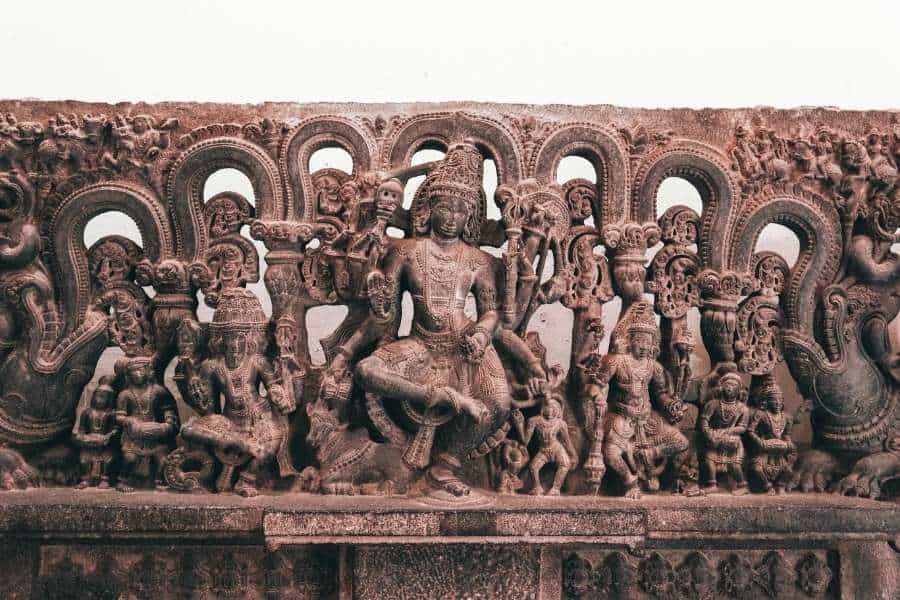
Alternatively, if you and your family appreciate art, you can visit the National Gallery of Modern Art (NGMA) near India Gate to view works by India’s modern artists.
Both museums are large; you could spend hours, so perhaps choose one and allocate 1-2 hours to it. They also provide a nice air-conditioned break if visiting in warmer months.
For a more interactive history experience with kids, you can visit the National Crafts Museum & Village near Pragati Maidan. It has traditional village huts, craft demonstrations, and even a children’s play area, offering a fun way to learn about India’s diverse cultures.
You can include a visit to the Nehru Planetarium (near Teen Murti Bhavan) for a dome show about stars and space for a good educational break from history.
If you are traveling with younger kids, you could spend an afternoon at the Delhi Zoo, aka Chidiyaghar (National Zoological Park), near Purana Qila. It’s a decent zoo with a variety of animals and a battery-operated tram if little feet get tired.
Nearby, Purana Quila, a 16th-century fort, is worth a visit. After exploring the ruins, you can rent a paddle boat in the moat and then watch the sound-and-light show here after dusk, which narrates Delhi’s history with dramatic effects.
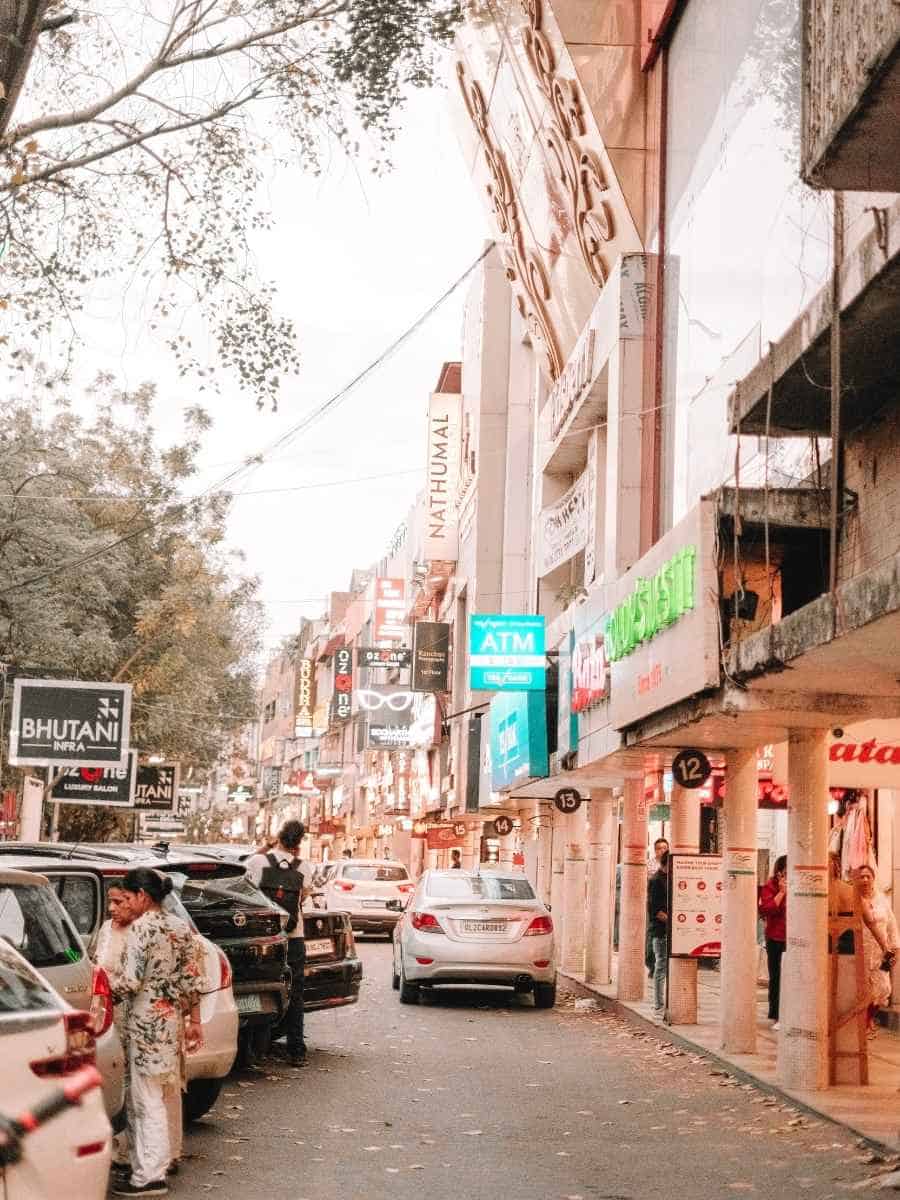

Option B: For Shopaholics (and Their Patient Tagalongs): Dive into Delhi’s Market Madness
If retail therapy is your love language or if you just promised your teen they could shop after all those tombs, then Delhi won’t disappoint. This city knows how to put on a market.
You can do Chandni Chowk, round two, for shopping now. Go back with purpose: spices from Khari Baoli, jewelry and trinkets from Dariba Kalan, and wedding clothes or fabrics from Kinari Bazaar. Bargain politely, stay aware of your surroundings, but enjoy the thrill of the deal.
Or you can start at Sarojini Nagar, especially if you’re hunting for fashion steals. It’s a hotspot for export surplus clothing, budget finds, and surprisingly good knockoffs. Teens will love the trendy chaos; make sure everyone wears comfy shoes and brings their bargaining A-game.
Next, head to Janpath Market, near Connaught Place, for accessories, quirky souvenirs, patchwork bags, Pashmina shawls (check authenticity), and cheap sunglasses you’ll lose in three days but love for now. It’s touristy, but that’s part of the charm.
If you’re not in the mood to haggle, pop into the nearby state emporiums at Baba Kharak Singh Marg (each Indian state has a handicraft showroom here) for a quieter, fixed-price browsing session, great for handcrafted homeware and textiles.
For a more craft-focused experience, keep an eye out for Dastkar Nature Bazaar. This isn’t a regular market but a curated, seasonal crafts bazaar where artisans from across India sell directly to visitors. It’s best paired mentally with places like Dilli Haat: slow browsing, meaningful purchases, and genuine handmade goods. Check dates before you go, as it runs only at certain times of the year.
If you’re game for a slightly longer haul, Lajpat Nagar Central Market offers a full-blown desi shopping experience, from clothes, home goods, and trinkets to mehendi and snacks, all in one loud, colourful place.
Kailash Colony Market in South Delhi, a smaller, slightly more laid-back shopping scene with a few solid eateries and dessert joints, is also a good place to shop.
After that sprint, Defence Colony Market and GK II M-Block Market feel like a soothing follow-up: curated boutiques, cosy cafés, and enough dessert stops to earn your steps back.
For something more local and food-focused, swing by CR Park Market (Chittaranjan Park) in the evening. This Bengali neighbourhood is known for its stellar street food; you can gorge on puchkas, fish cutlets, rolls, and syrupy sweets without ever stepping into a restaurant.
If you are visiting during Durga Puja, the vibe’s electric. CR Park transforms into mini-Kolkata. Pandal-hopping here is a full-blown experience — dozens of intricately themed Durga idols across parks and blocks, cultural performances in the evenings, food stalls buzzing with everything from kosha mangsho to mishti doi, and crowds in their festive best. Even if you’re not Bengali, the energy is infectious, and everyone’s welcome to join in, follow the music, and smell the bhog.
Kamla Nagar in North Delhi is a favorite among the young. A blend of university energy and street fashion, it’s the kind of place where you score both sneakers and chaat within minutes. Come hungry, GT Road here is known for kulfis, falooda, and snacky goodness you won’t forget.
Karol Bagh also deserves a mention. It’s the OG wedding shopping destination and a total sensory overload. From embroidered sherwanis to silver jewelry and affordable electronics, there’s little you can’t find here. Bring stamina and patience.
If you prefer quieter, design-led browsing, explore Shahpur Jat. Woven through narrow lanes, it’s home to designer studios, boutique stores, concept shops, and cafés.
If you’d rather do some mall-hopping, Select Citywalk in Saket, Ambience Mall in Vasant Kunj, DLF Mall of India in Noida, and DLF CyberHub in Gurgaon are solid picks. Choose one depending on where you’re staying and how far you want to travel.
You’ll also stumble upon pop-up flea markets and weekly haats across the city where local artisans sell hand-painted crafts, embroidered textiles, block-print bags, and vintage curios. Perfect for those one-of-a-kind finds you won’t get at a mall. Meharchand Market, when it’s on, is a great example of this: short-lived, well-curated, and full of homegrown brands and a very Delhi crowd.
You won’t conquer them all, but mix two or three and you’ll leave with bags, stories, and possibly a few extra things you forgot you bought. To give you the picture: Lajpat Nagar + GK II M‑Block + Defence Colony or Sarojini Nagar + Janpath + Baba Kharak Singh Marg or CR Park + Kamla Nagar.
Evening
For a grand finale, consider an evening show. Kingdom of Dreams, located in Gurgaon (a suburb about 1 hour from central Delhi), is an entertainment complex showcasing Bollywood-style musicals. Their flagship show (like “Zangoora”) is a high-energy performance with dancing, costumes, and music that even kids will watch wide-eyed (though check schedules and language as some shows are heavy on Hindi dialogue).
Alternatively, see if any cultural performances are on at venues like Kamani Auditorium or India Habitat Centre. Sometimes there are Indian dance or music shows in the evenings. Watching a classical dance performance (like Kathak or Bharatanatyam) or a puppet show can be a memorable cultural immersion for the family.
A fourth day in Delhi lets you catch up on the things you wish you had time for earlier.
With Extra Time: Take One of the Day Trips from Delhi


If you’ve got an extra day or two, you can stretch your trip a bit further with some easy day trips or weekend trips that don’t involve complicated planning.
The classic pick is a day trip to Agra to see the Taj Mahal, and yes, it really does live up to the hype. The easiest and fastest way is by the Gatimaan Express train (Delhi to Agra in under two hours) or a pre-booked car. If you’re up for an early start, catching the sunrise at the Taj Mahal is bucket-list material. You can also combine this with a visit to Fatehpur Sikri, a fascinating ghost city just outside Agra with stunning Mughal architecture.
If you’ve already been to Agra or want something different, head to Neemrana Fort Palace (about 2.5 hours by car). It’s a restored 15th-century fort turned heritage hotel, where you can zip-line, explore the sprawling fort’s interiors, or sit with a cup of tea and feel like royalty for a day.
If your trip extends further, many travelers go on to explore Jaipur or even take on the Golden Triangle (Delhi–Agra–Jaipur). That’s more than a day trip, of course, but if you’ve got 6–7 days in total, it’s a classic intro to North India.
These spots are technically outside Delhi, but are worth knowing if your trip turns into a mini-adventure beyond the capital.
Delhi can be overwhelming, but it is also gratifying, a city that showcases India’s rich blend of history, culture, and cuisine. I’m sure you’ll leave with incredible memories. Remember, three days is ideal, but any time in Delhi is better than none. As you wrap up your journey, you might find, like countless travelers, that beneath the noise and bustle, Delhi has stolen a piece of your heart.
Save this Itinerary for Delhi to Pinterest
